


 Eduard Huma
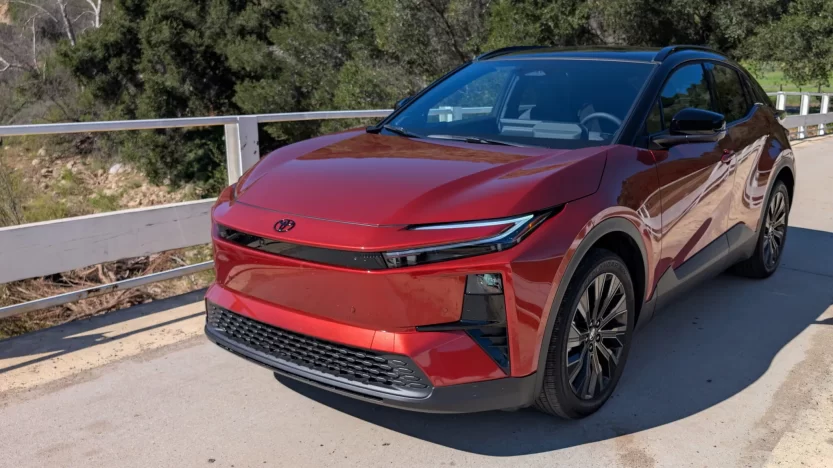
Toyota is on a full swing with its electric lineup, the carmaker already planning to introduce fresh models on the market up to three models at once; one of them is the long-anticipated C-HR, which makes a comeback with something completely new than the early gasoline variant.
Powertrain system
This time, there is no combustion alternative at all. The nameplate goes fully electric, becoming Toyota’s first formerly gas-powered badge to make that transition, and it actually reaches the market before the new Highlander EV does.
With a price starting at $37,000 without destination fees, the new 2026 Toyota C-HR EV comes with an all-wheel drive and a total output of 338 horsepower. This would allow for a 100 km/h sprint in a good 4.9 seconds, positioning the electric vehicle closer to performance grounds, despite its mid-sized proportions.
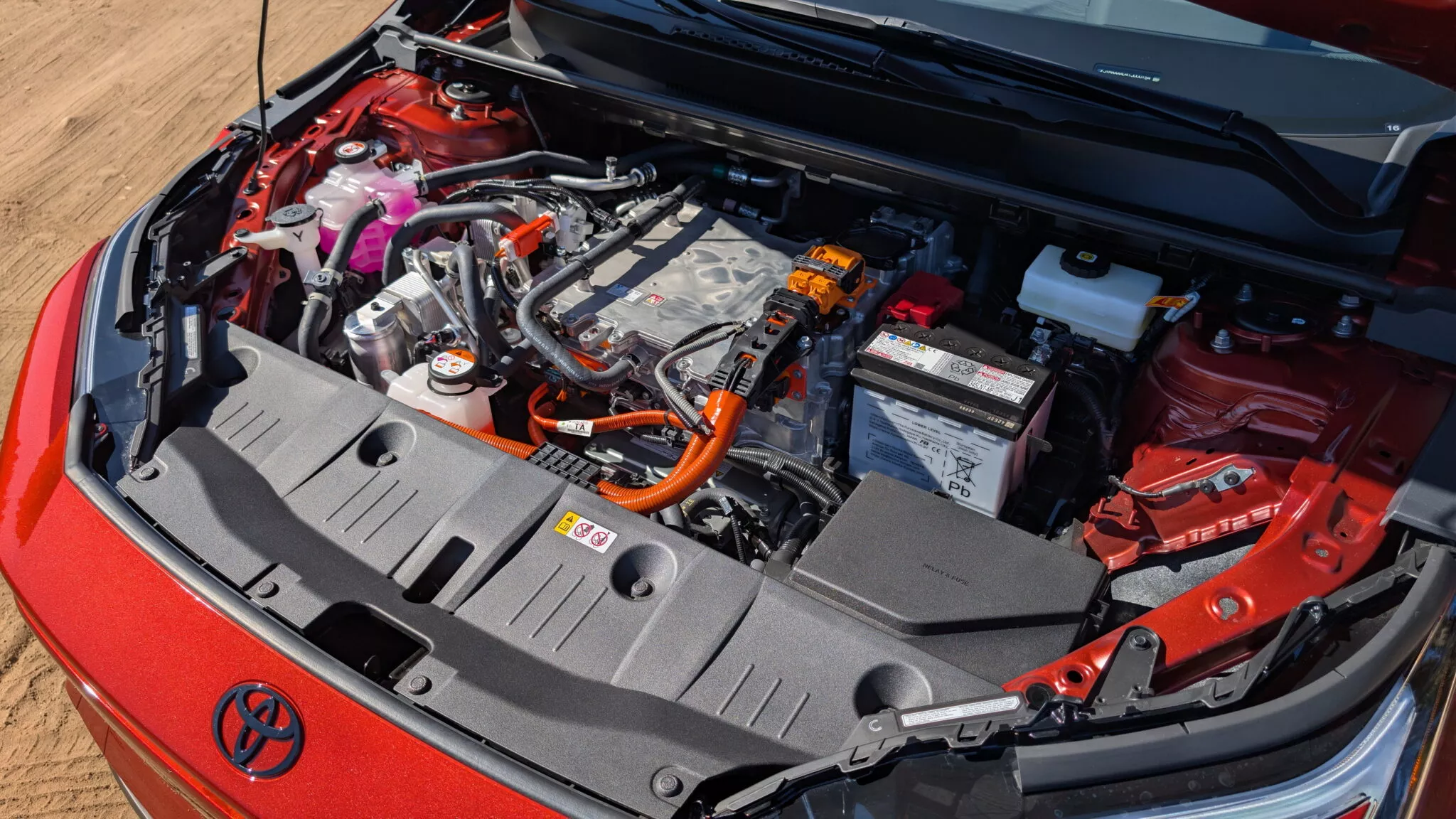
The power is provided by two electric motors, each connected to a 74.7 kWh battery. The power is sent to all wheels through a single-speed gearbox that is part of Toyota’s newest transmission technology.
Exterior Details
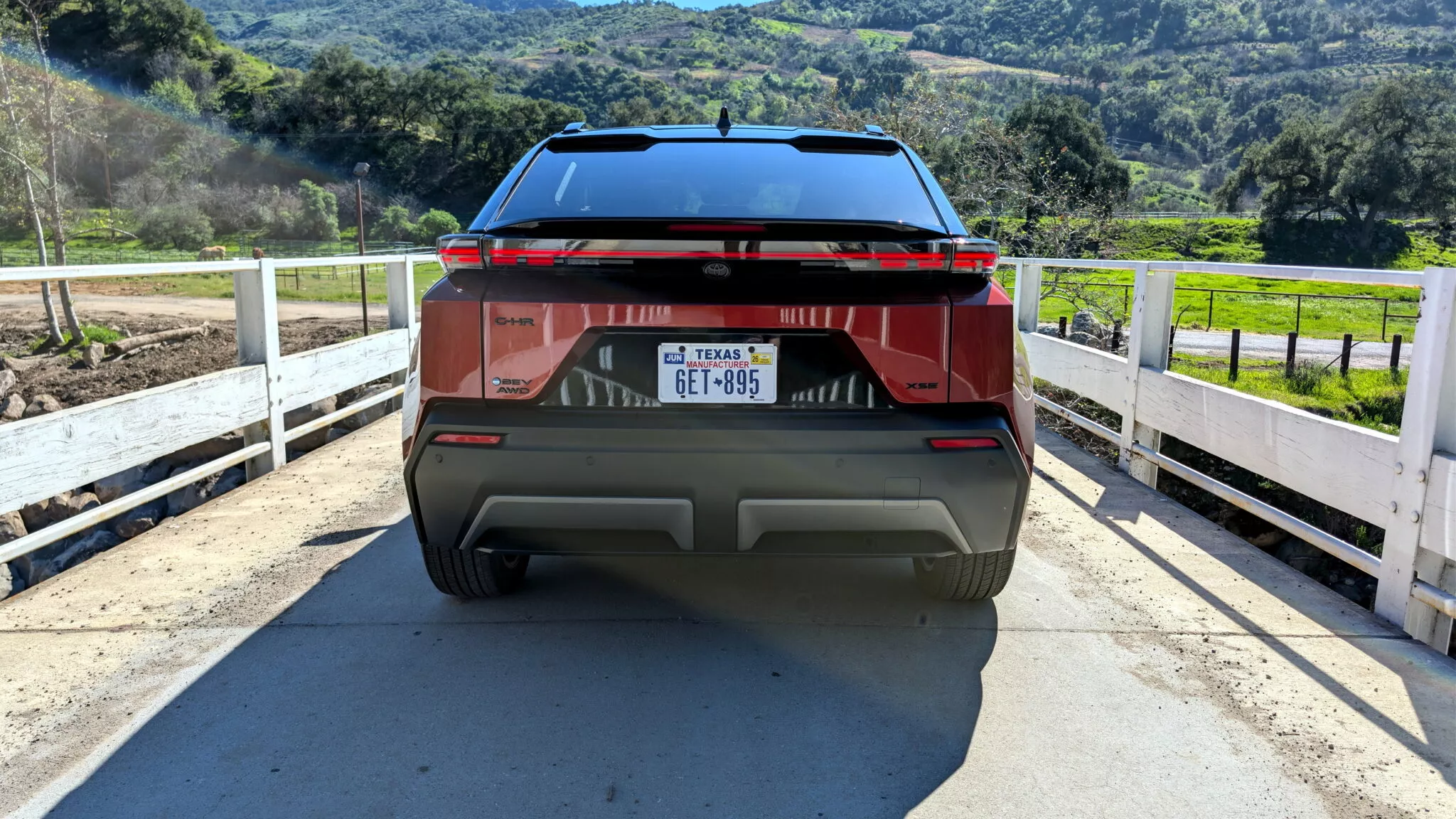
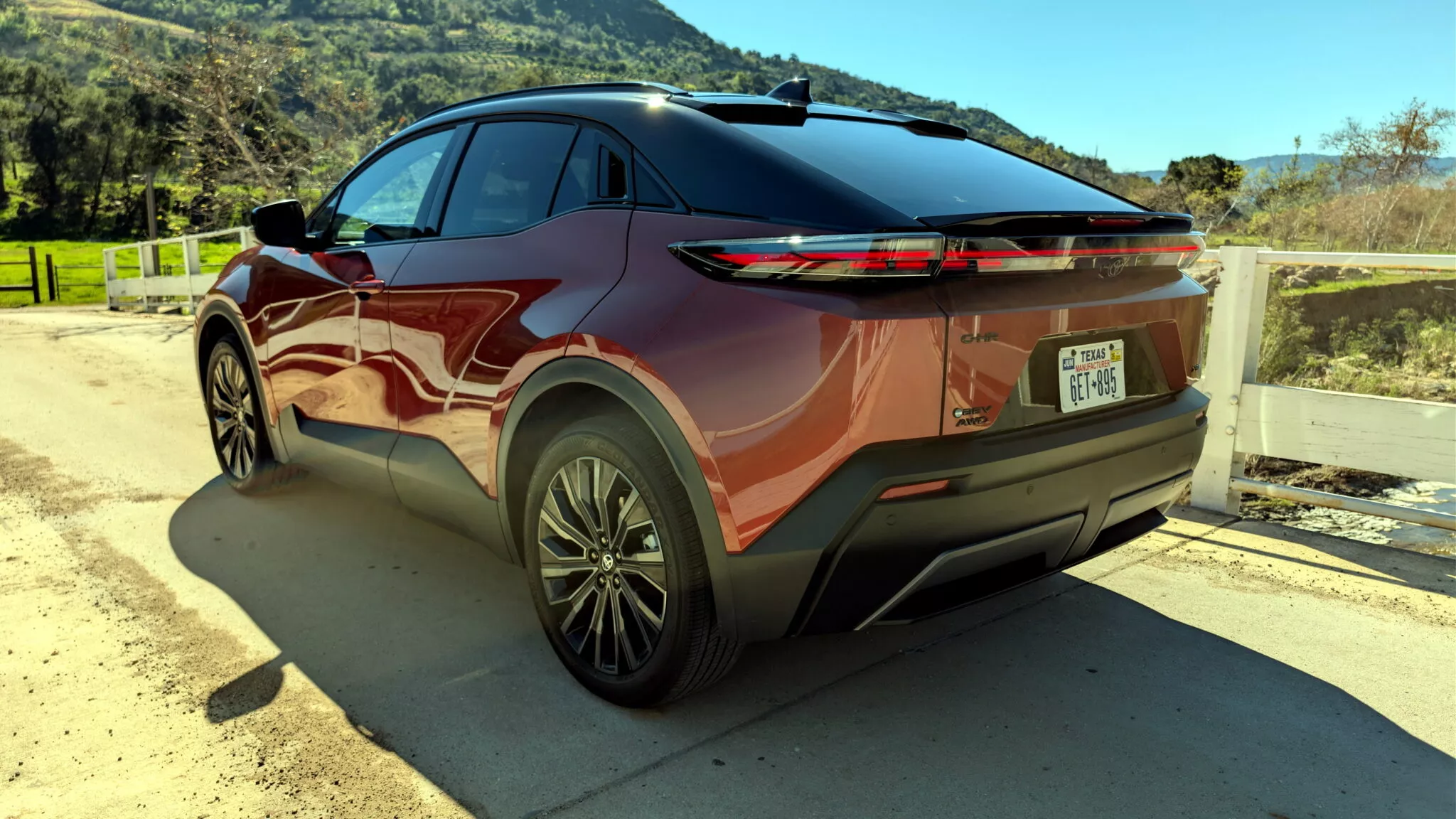
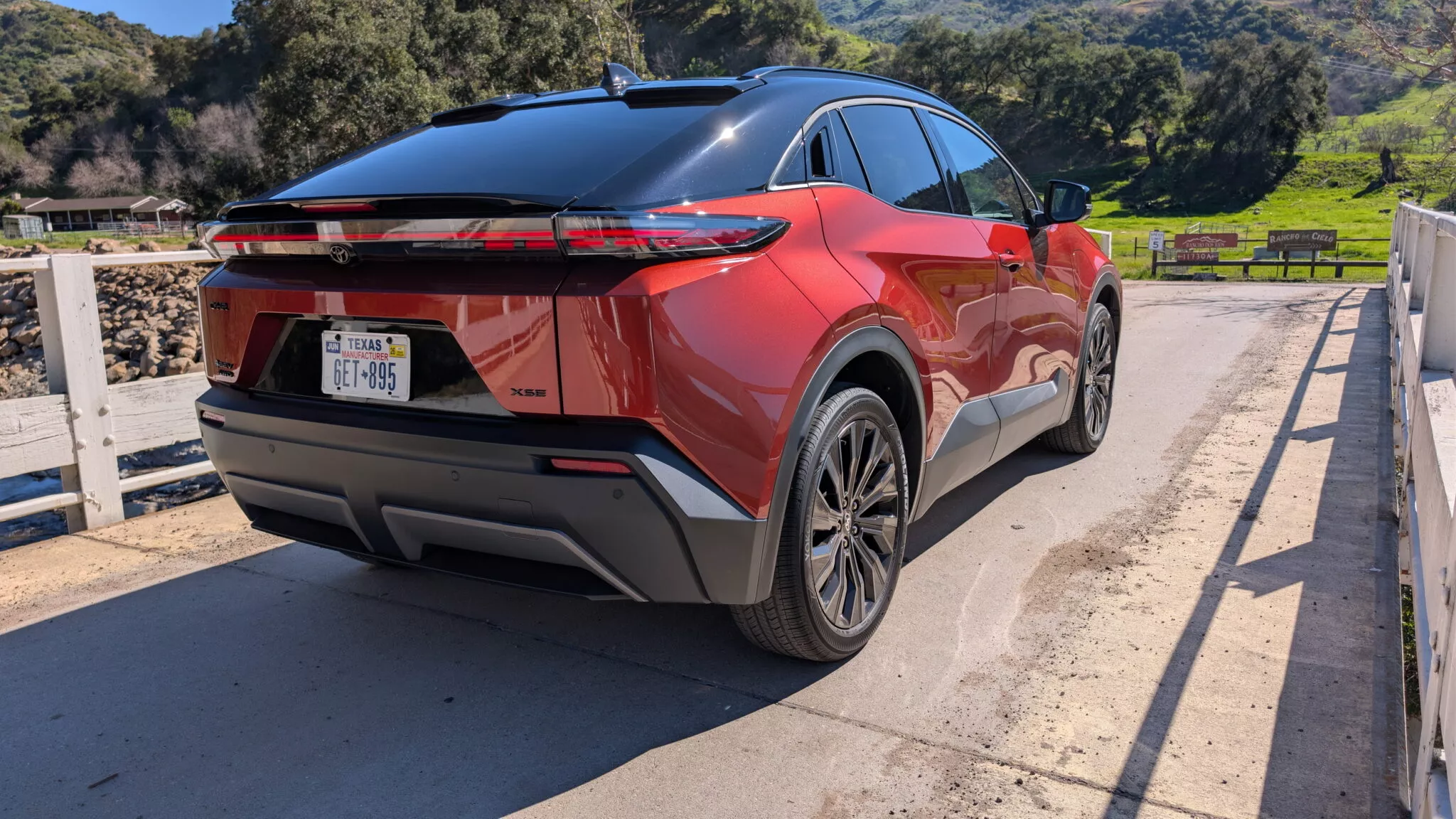
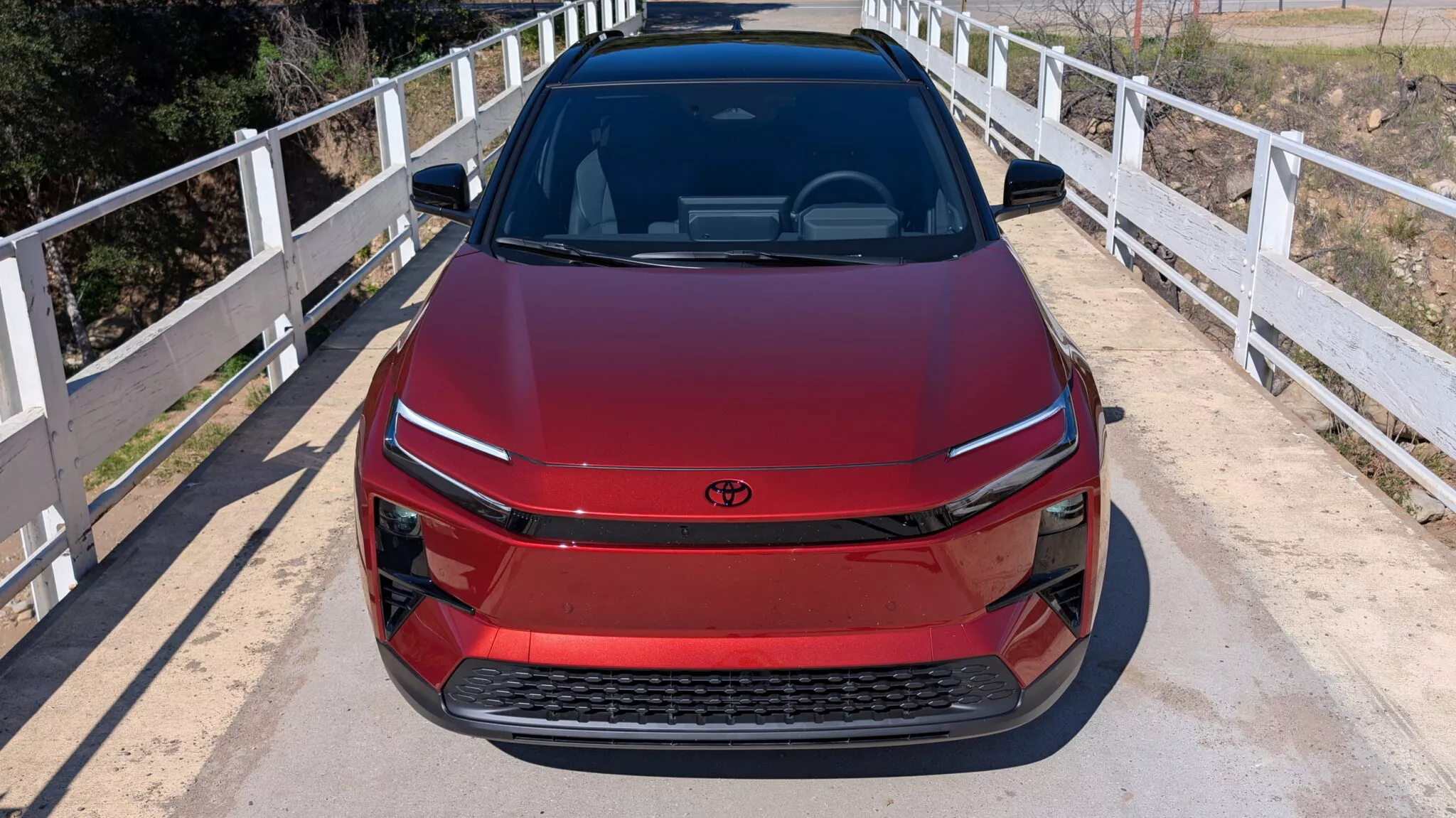
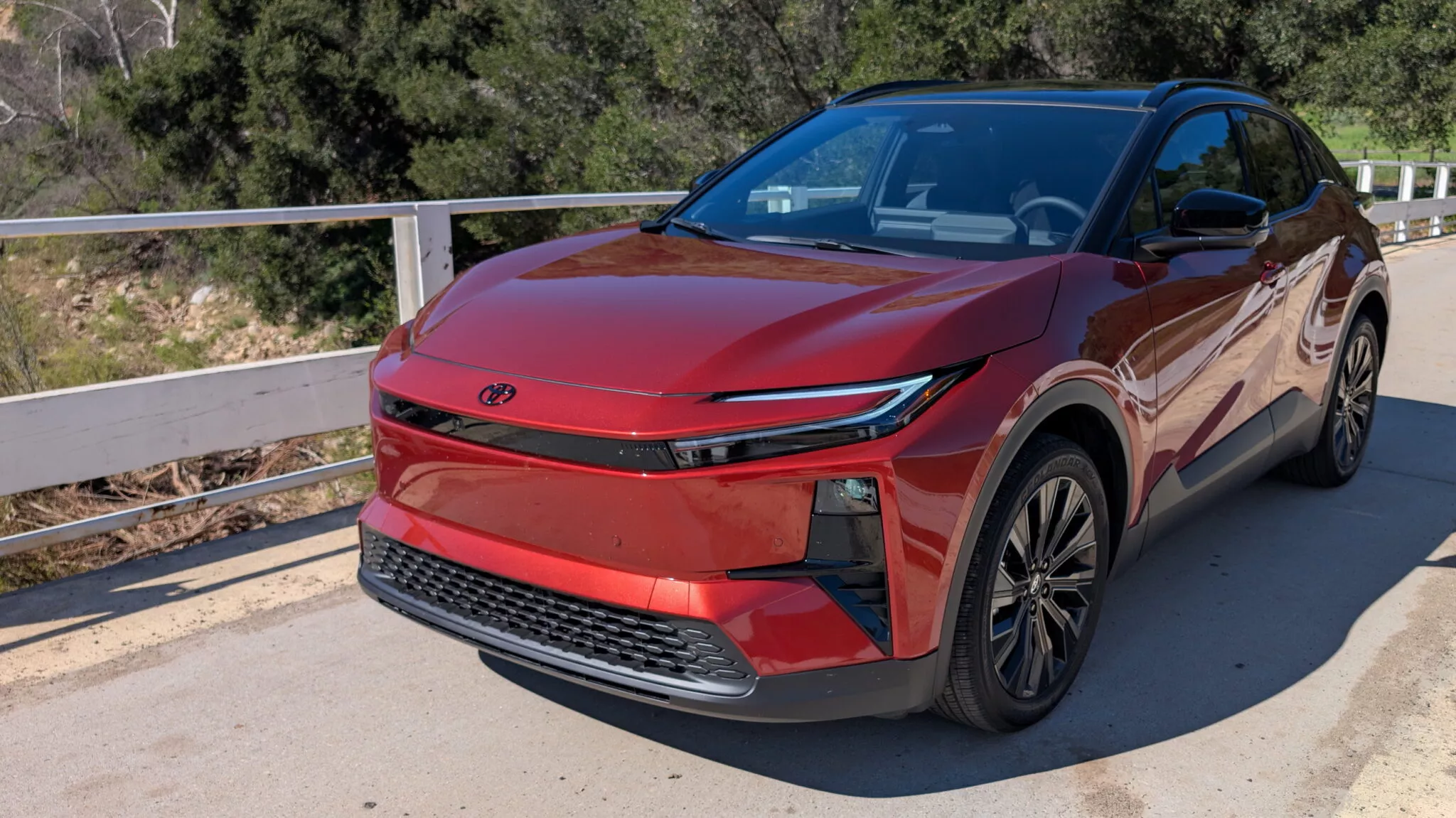
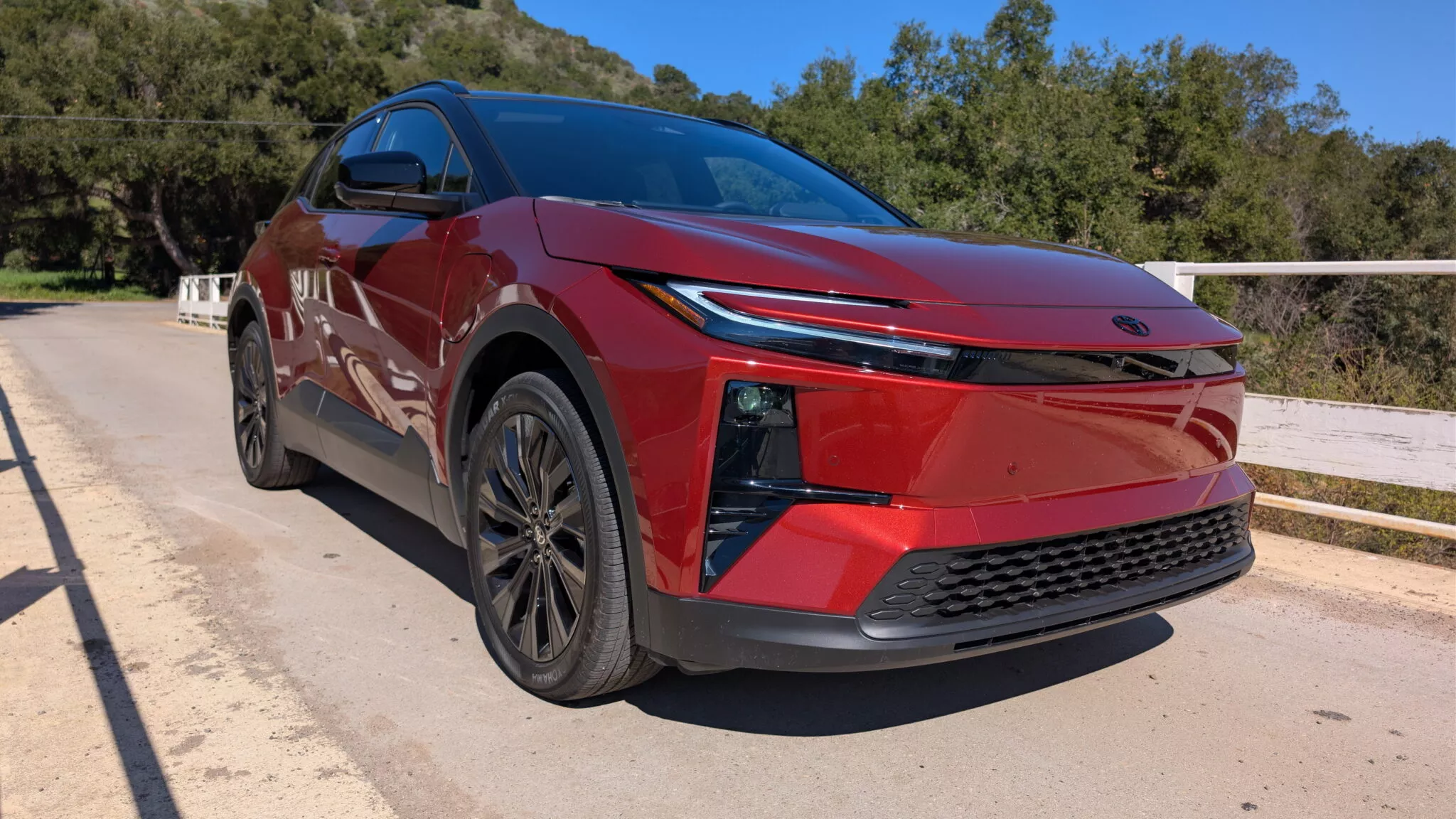
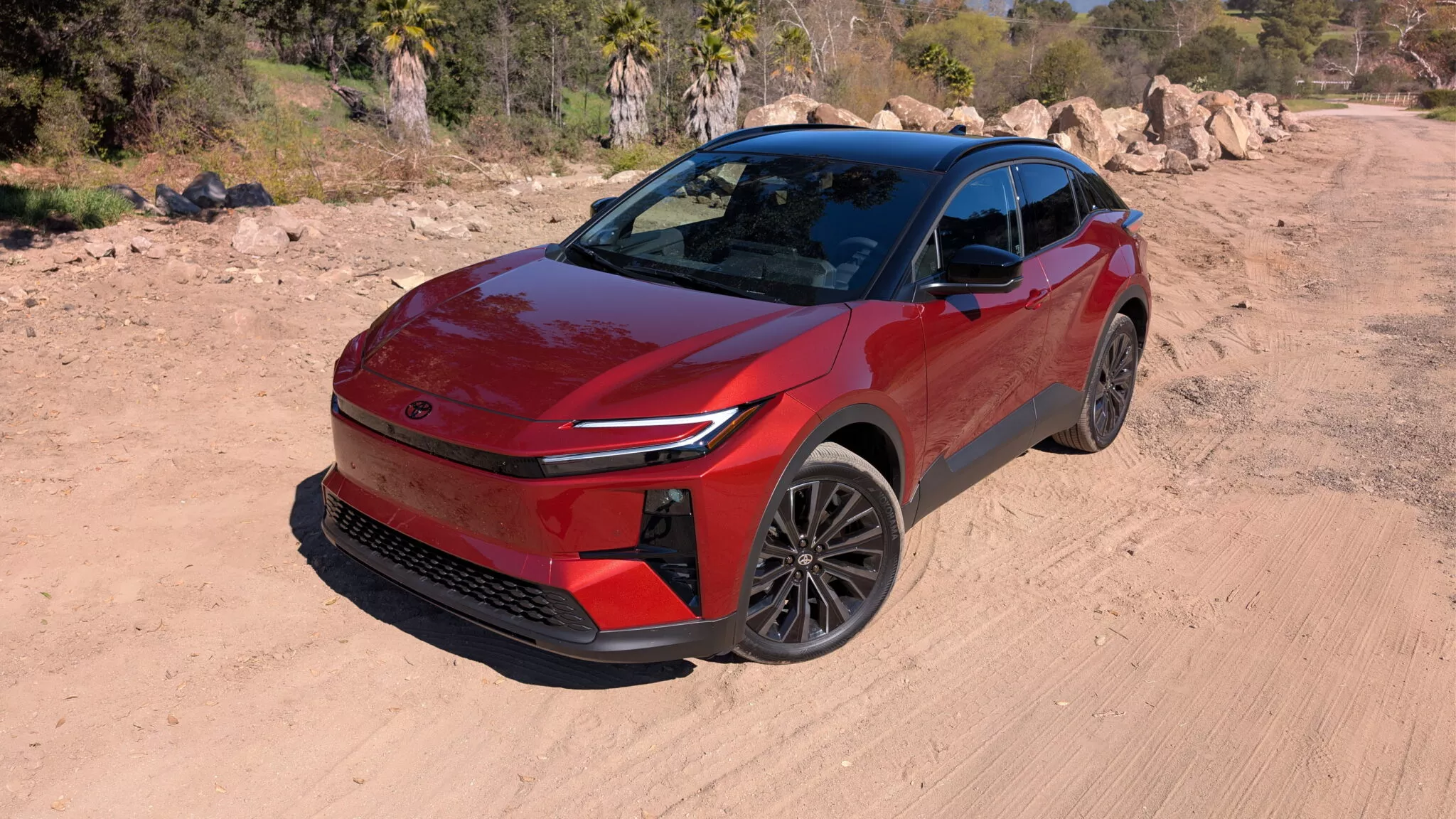
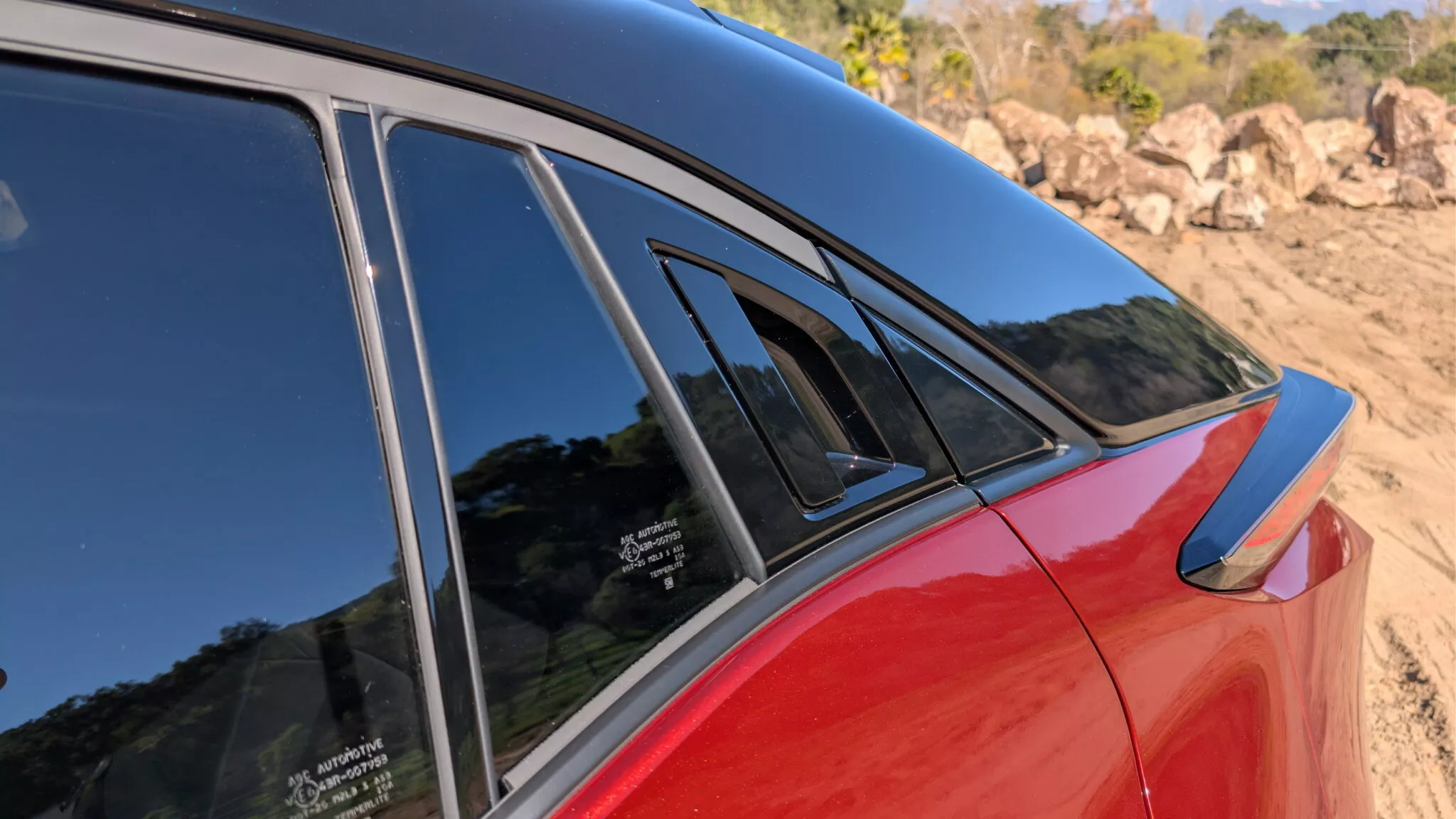
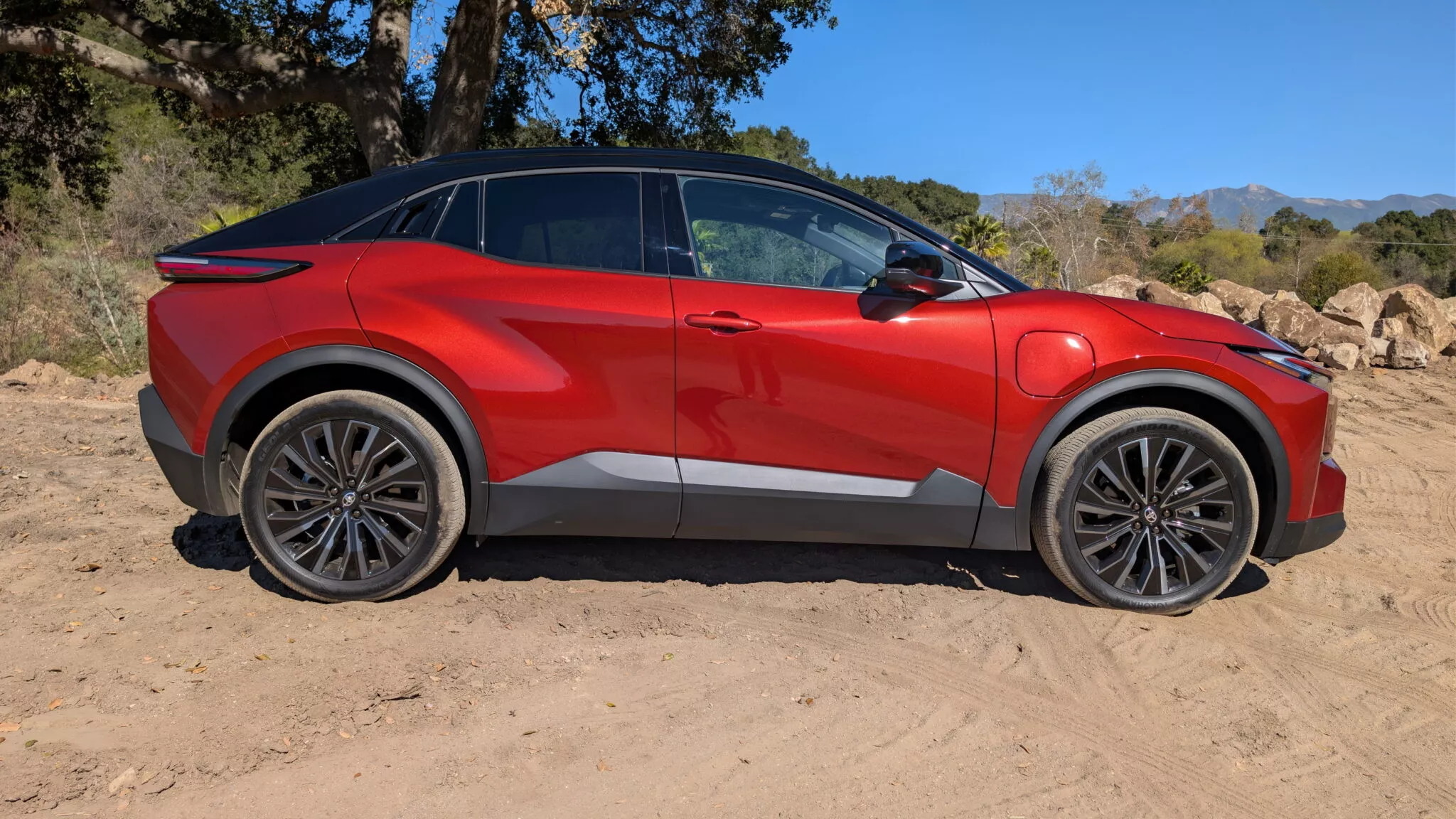
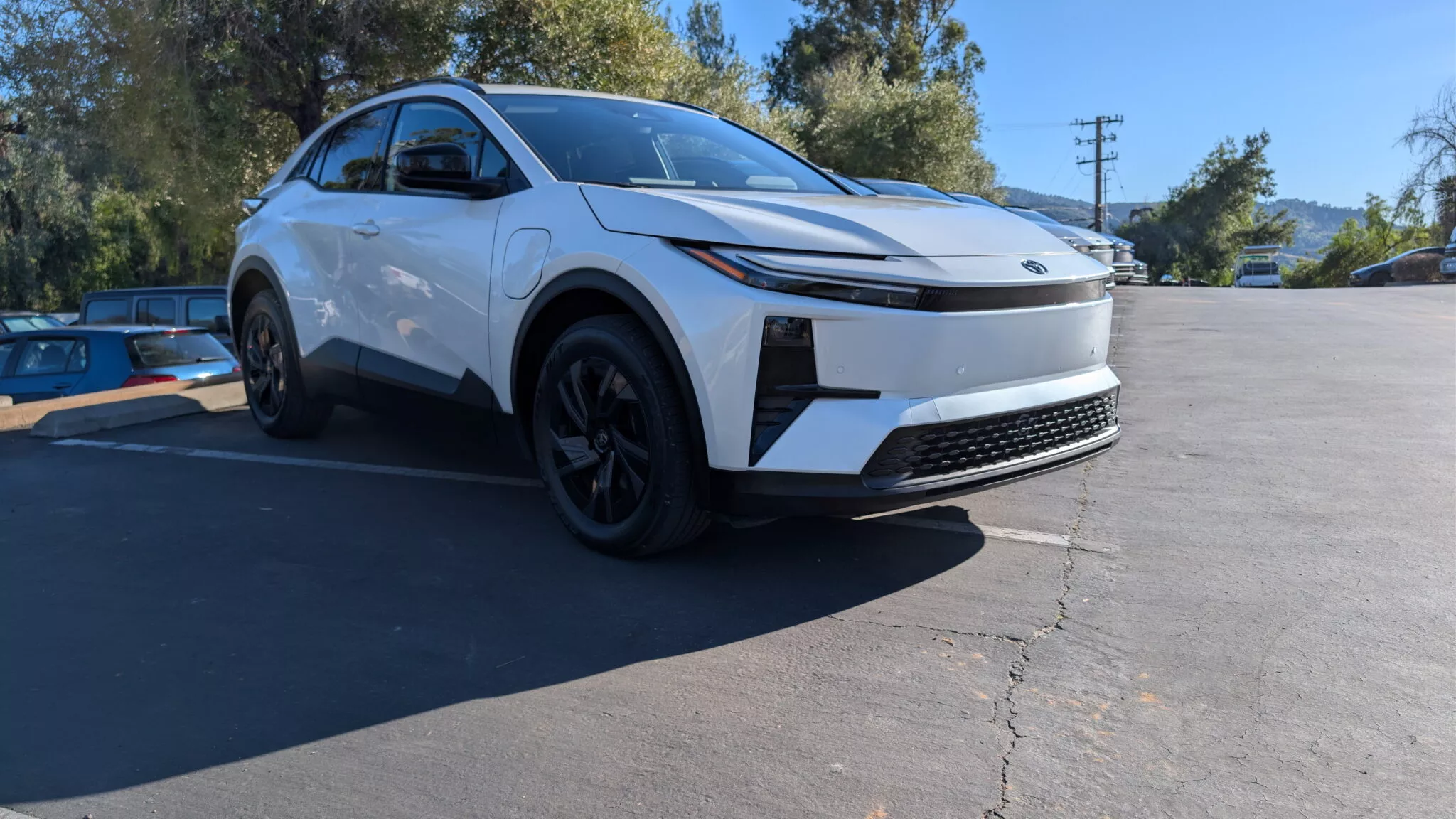
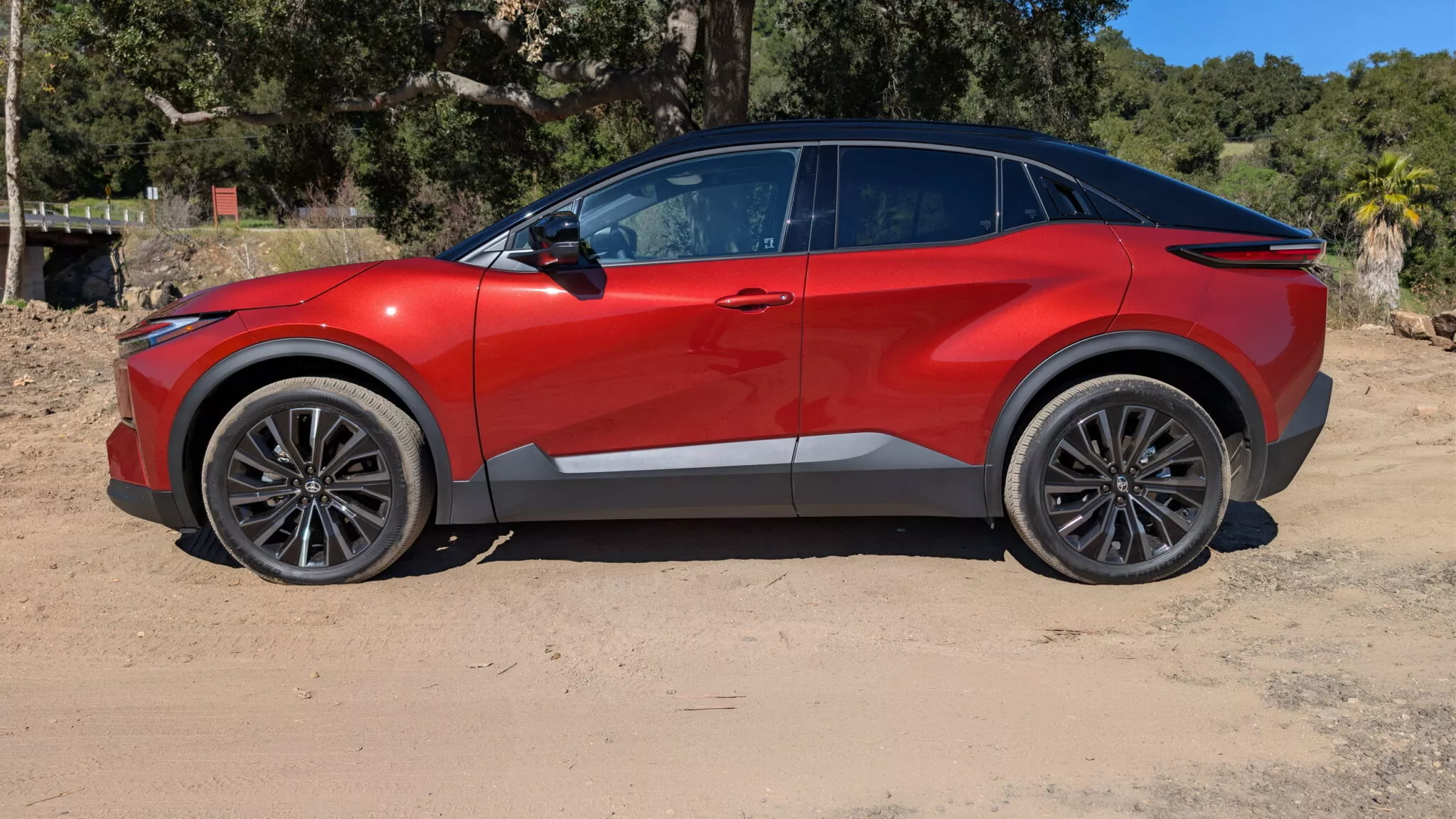
Visionarily, the 2026 Toyota C-HR EV can be easily identified, which is the result of the new design language of the company. It has the front end that has the new hammerhead styling, which is emphasized by a low nose and lighting features that extend horizontally across the front fascia of the car. On the wheel, the model is optional in 18-inch or bigger 20-inch alloys, depending on the trim in question.
Cabin Features
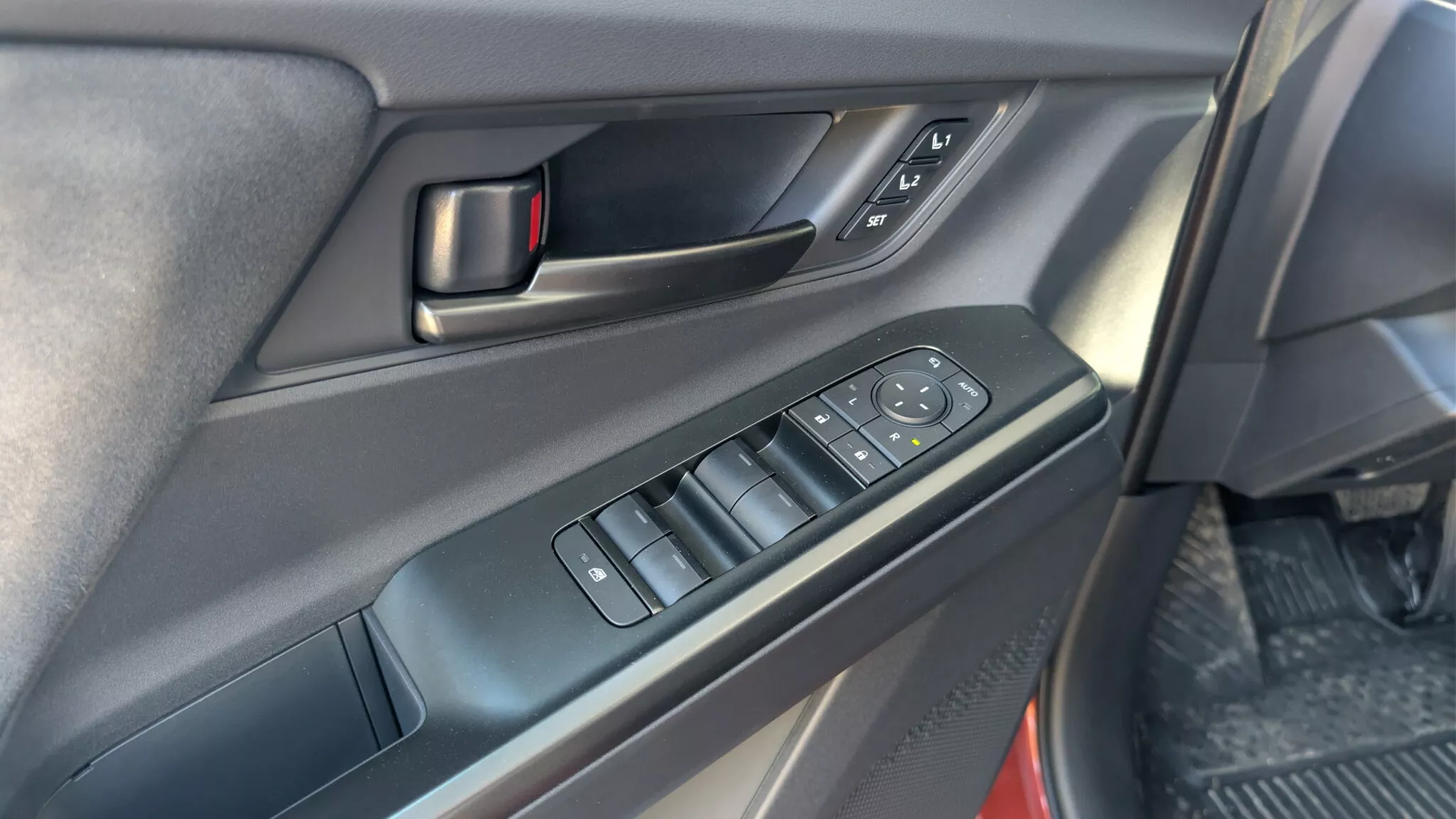
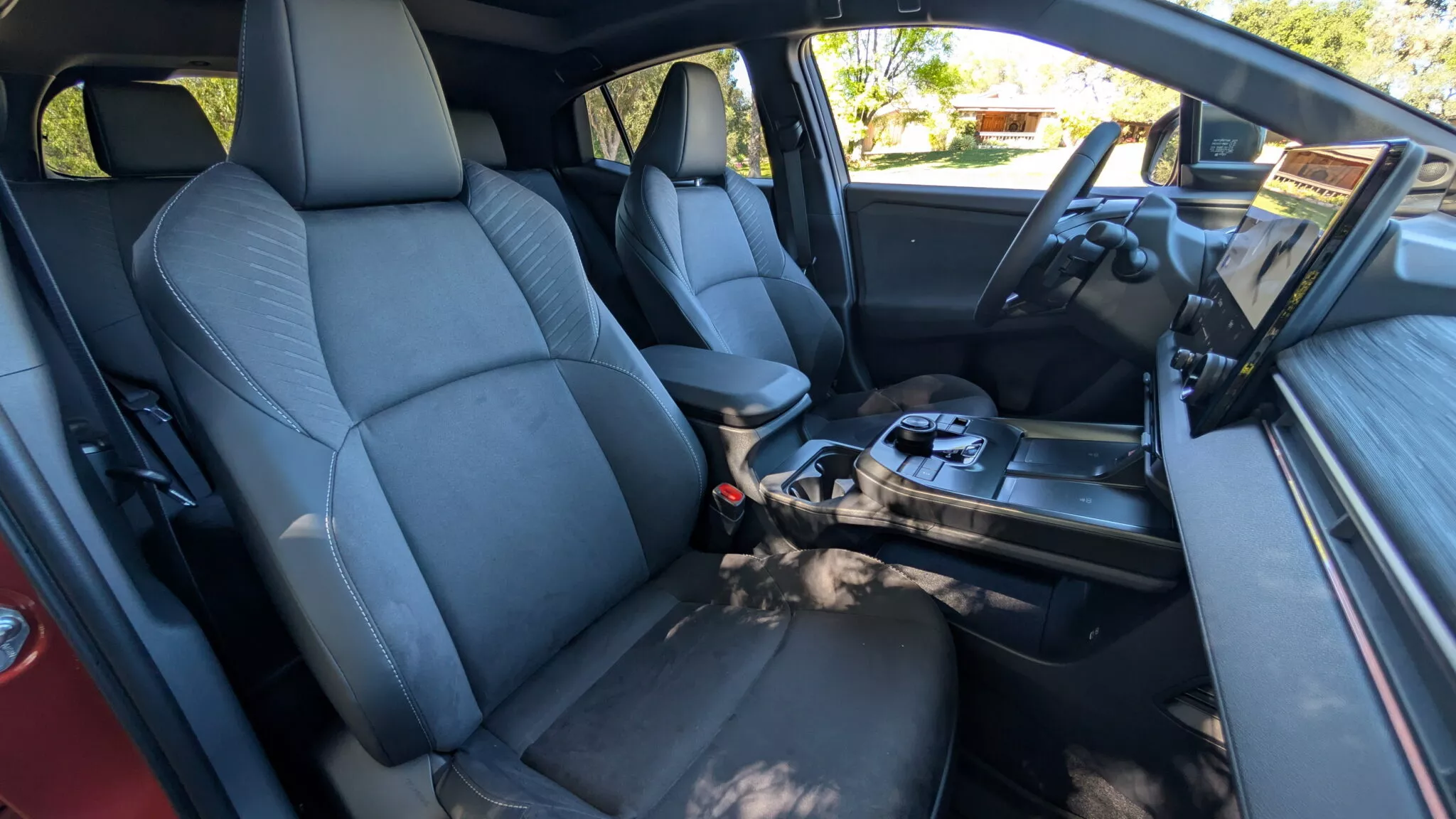
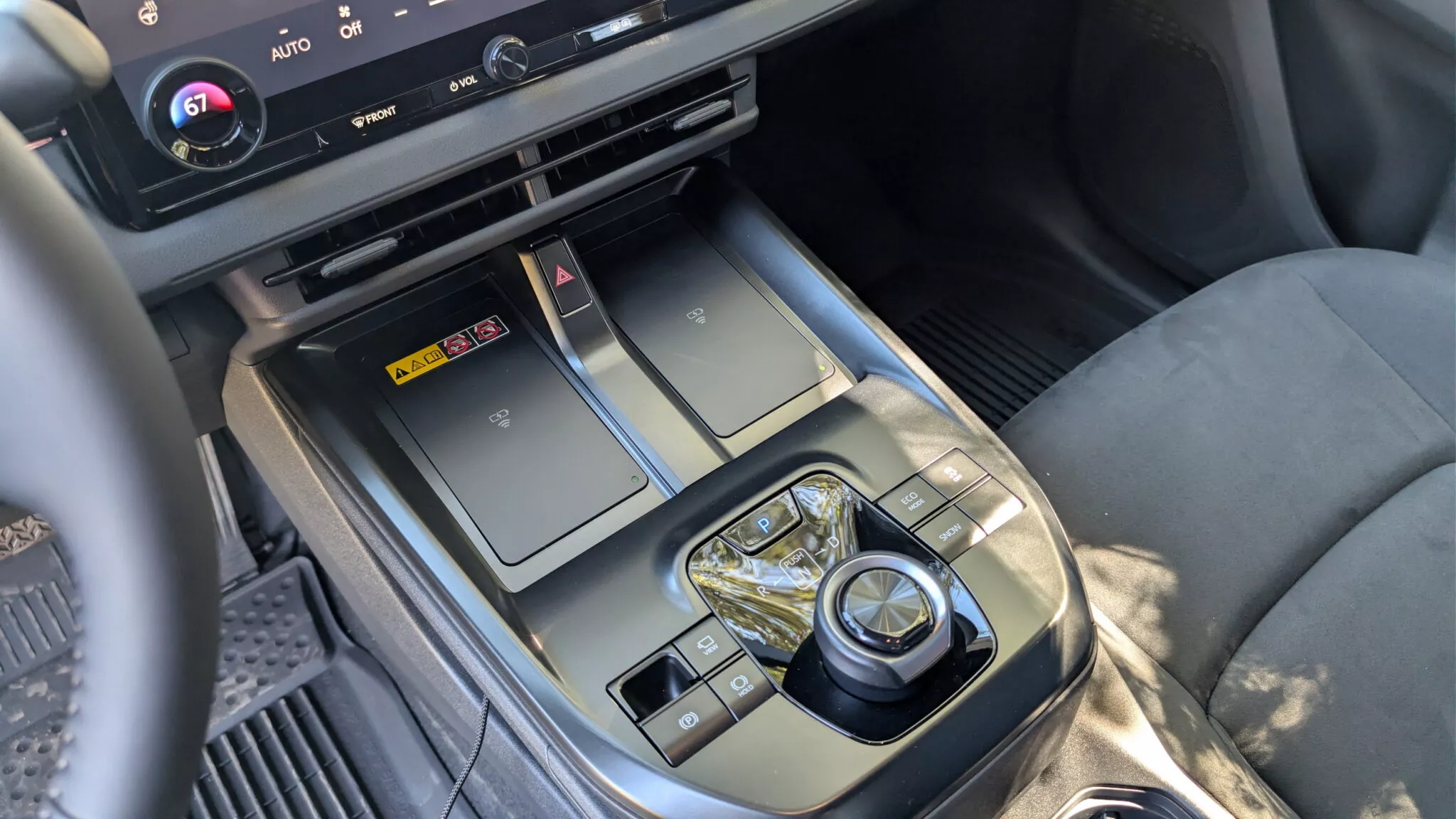
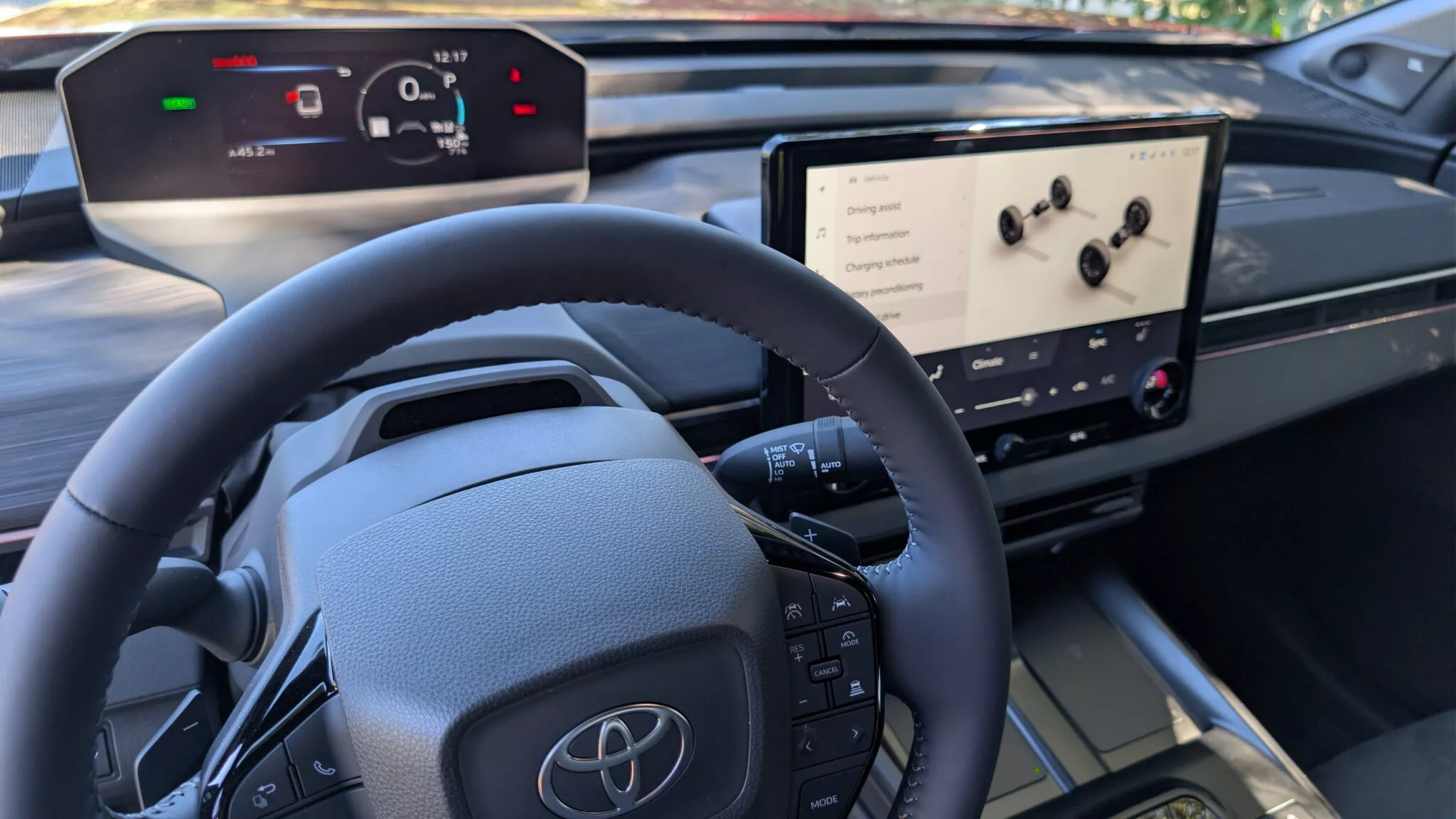
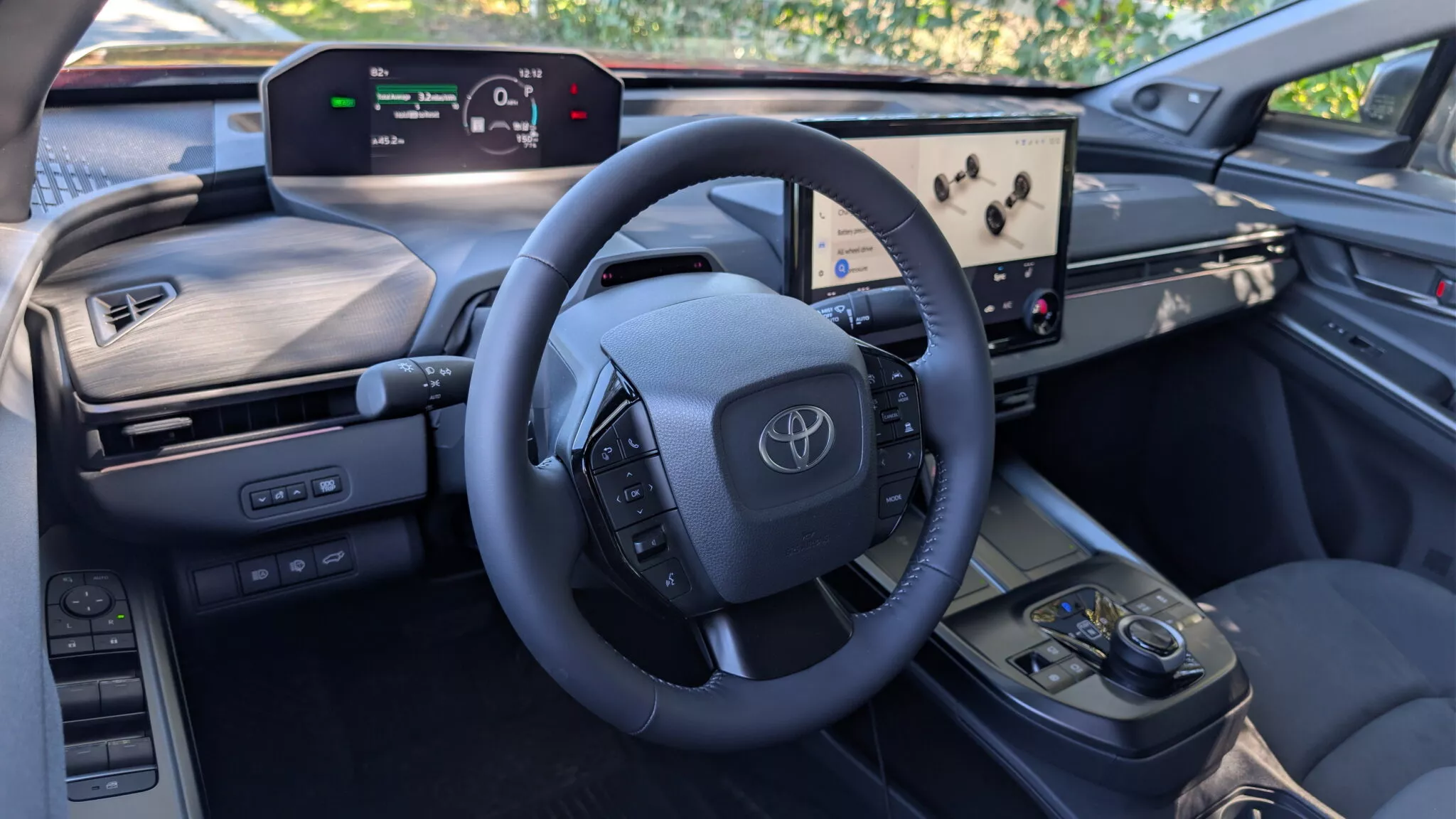
The 2026 Toyota C-HR EV is technology-wise, the most well-equipped interior, with all the latest gizmos, such as the 14-inch touchscreen anchored to the dashboard, holding a clean and responsive design. Dual wireless charging pads are also fitted to the center console.
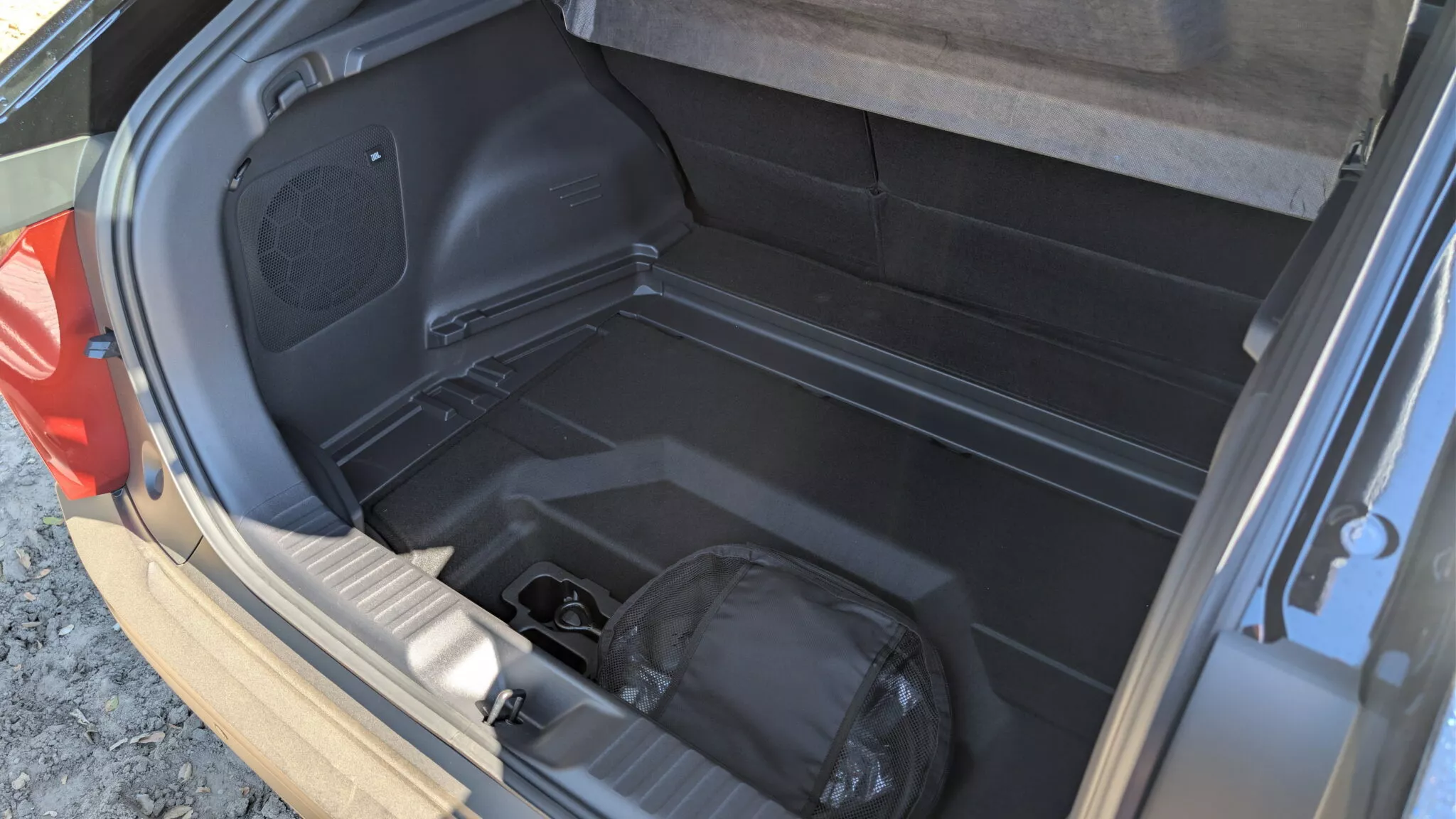
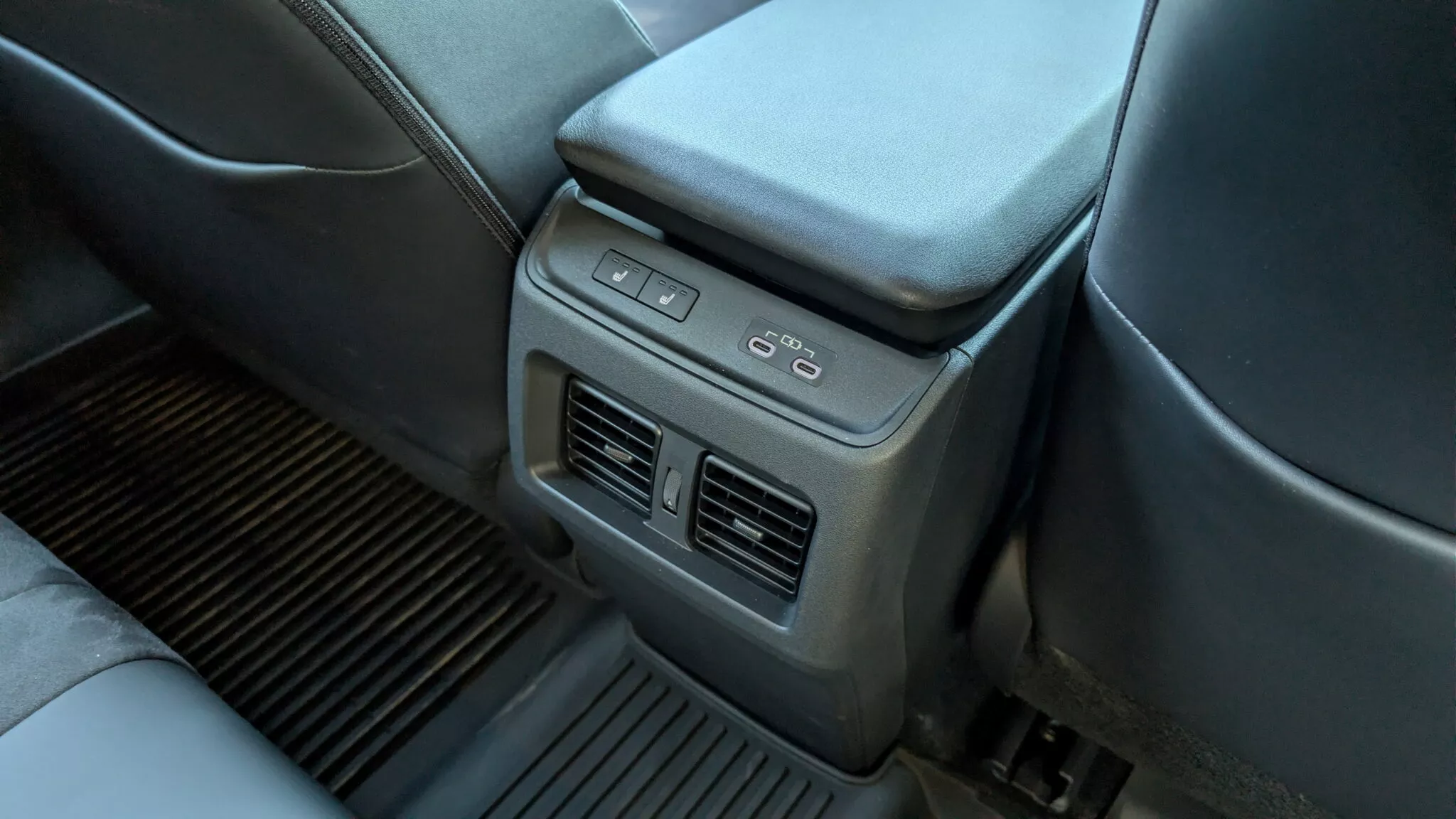
In relation to quality materials, they appear to be slightly better than the previous models of Toyota. The passengers are warmly greeted with lots of space towards the back seats. This is as much as 7.7 inches of additional legroom and 2.8 inches of additional headroom. In the case of luggage, the rear-seat space was also expanded by 10 cubic feet.
On the road, the short wheelbase contributes to a tighter, more responsive feel than the larger bZ Woodland. Steering feedback is more direct, and regenerative braking paddles allow drivers to adjust deceleration levels without interrupting the flow of driving. It may not be the most spacious option in its segment, but as a compact EV with measurable performance and a defined identity, the C-HR positions itself clearly within Toyota’s expanding electric lineup.
2026 Toyota C-HR EV – Photo Gallery