



 Eduard Huma
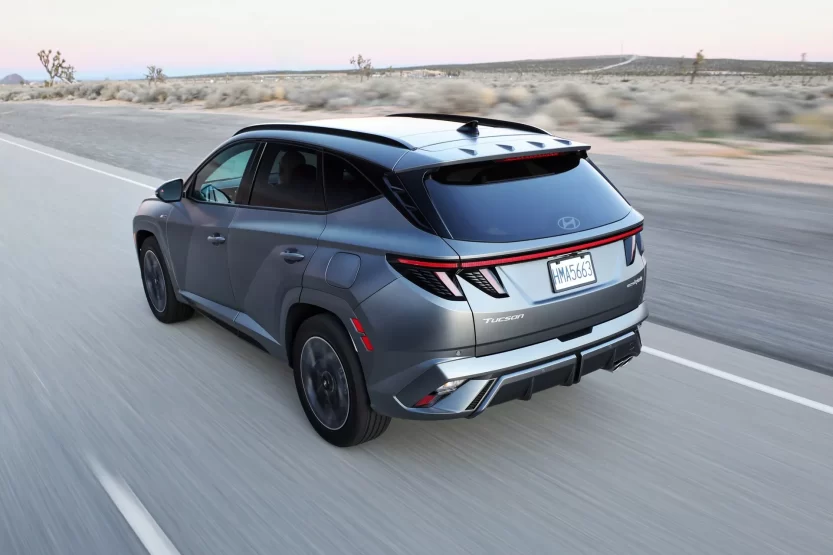
A class action lawsuit filed in the US claims certain Hyundai Tucson models suffer from what the complaint describes as phantom braking, an issue allegedly linked to the SUV’s forward collision-avoidance system. As the filing says, the technology which is meant to enhance safety may instead cause sudden emergency stops even in the absence of any impediment in front.
The case has been filed in the US District Court in the Central District of California and revolves around an owner who alleges that his Tucson kept on braking automatically when the road ahead of him was clear of any traffic whatsoever.
According to the plaintiff who is Dennis Sperling, the sudden braking incidents did not lead to any crashes or injuries, but they happened suddenly and proved to be what he believes to be a hazardous situation. He also claims that Hyundai deployed the system to market without realising that it was faulty.
The lawsuit cites statements from the owner’s manual of the 2025 Tucson. In that documentation, Hyundai says that “Forward Collision-Avoidance Assist may turn off or may not operate properly or may operate unnecessarily depending on the road conditions and surroundings.” The complaint interprets this language as evidence that the automaker was aware the system could behave unpredictably.
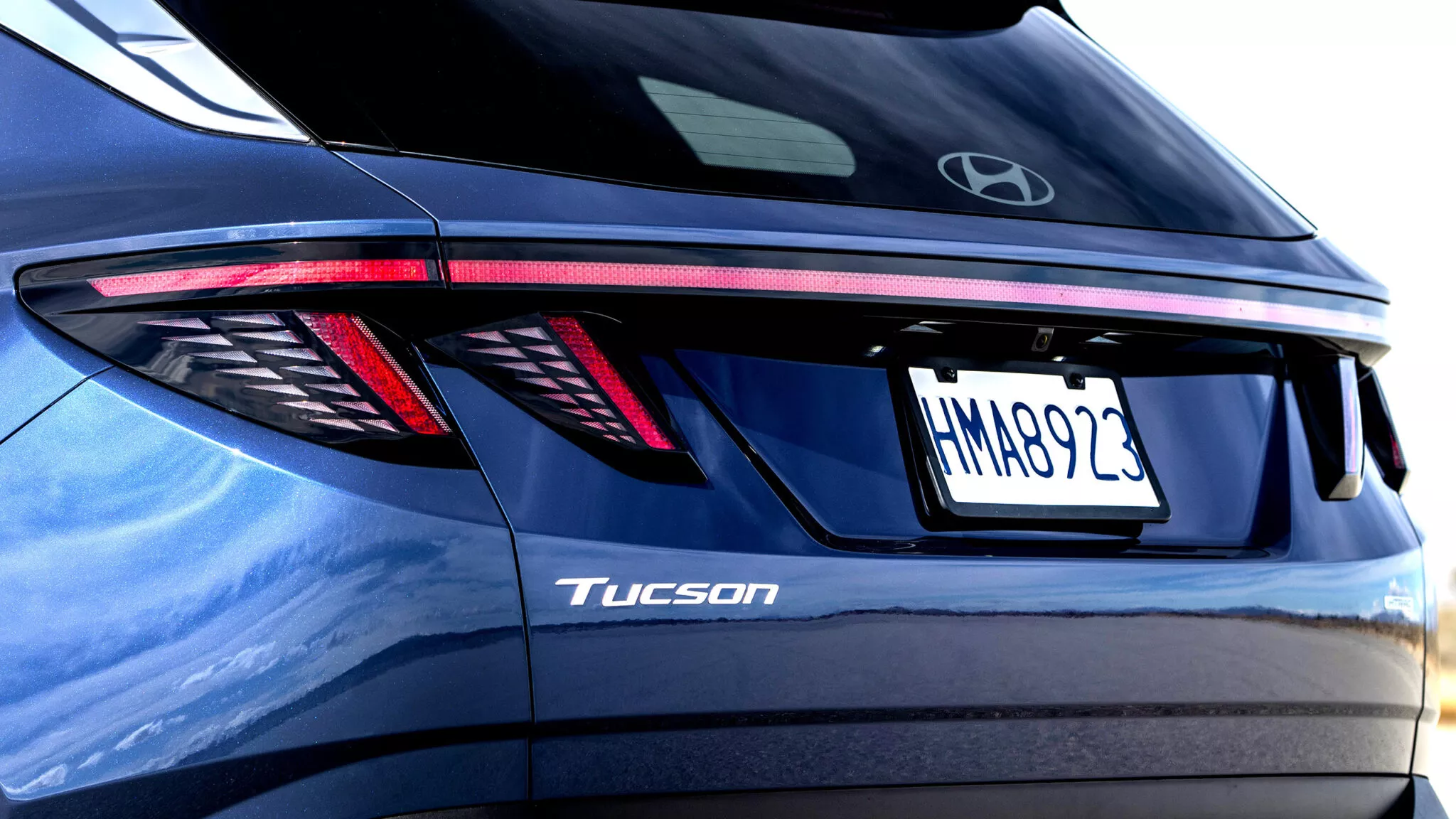
Hyundai’s manual also lists examples of “road conditions and surroundings” that might affect the system. These include lights reflecting on a wet road surface, situations where the front vehicle’s ground clearance is low or high, cases where the temperature around the front radar is high or low, and scenarios in which the vehicle is driven through a tunnel or across an iron bridge.
The owner’s manual further indicates the system may be triggered if “the vehicle in front has an unusual shape,” or if “the vehicle in front is driving uphill or downhill.” The lawsuit presents these statements as support for its argument that Hyundai has long known about issues tied to sudden braking events.
In addition, the complaint argues that Hyundai’s warning that the system “may not operate properly” serves to downplay what it describes as the potential severity and consequences of sudden unintended braking, particularly when a car is traveling at a high rate of speed.
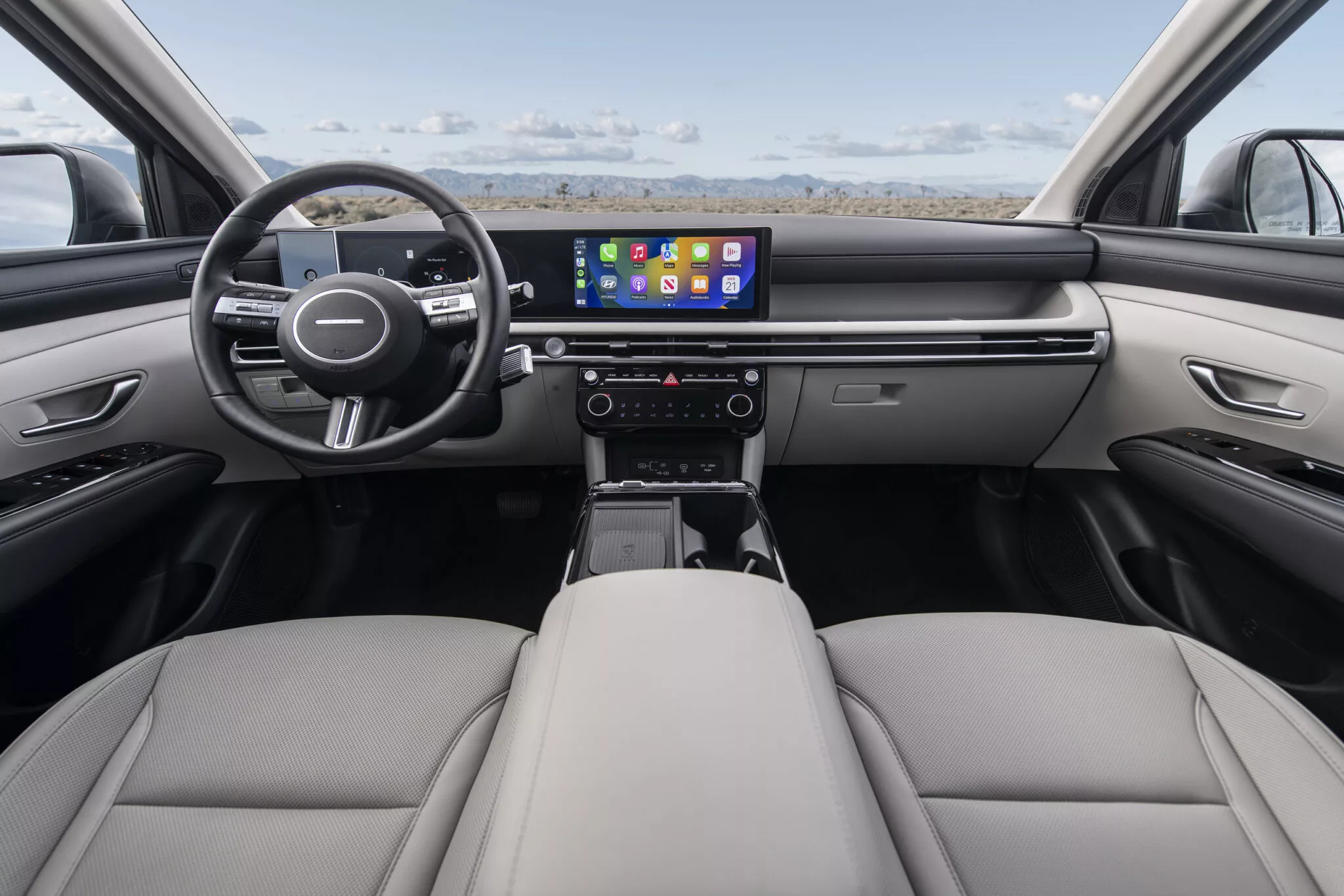
The court will ultimately decide how the case proceeds, but the lawsuit frames the issue as one involving repeated unintended emergency stops on clear roads. Regardless of the outcome, the allegations place Hyundai’s forward collision-avoidance system under scrutiny and raise questions about how such safety technologies are described and disclosed to customers.